
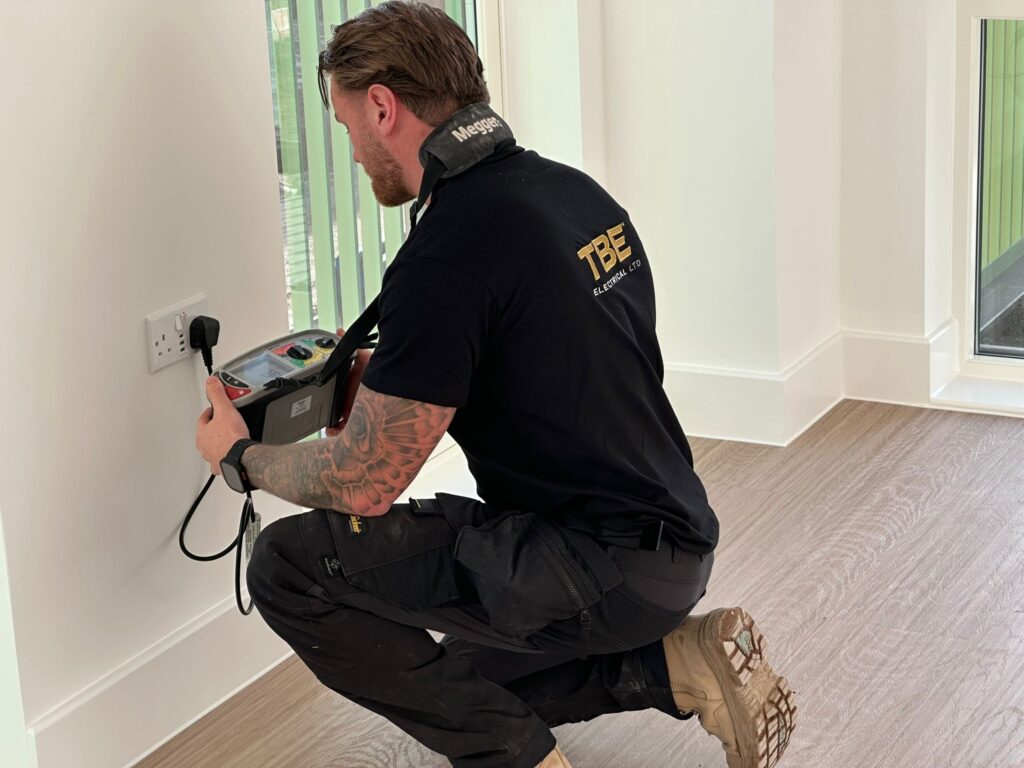
Electrical problems can be intimidating, but understanding when to call in a professional and when to attempt DIY can save you time and money. While small repairs might seem easy to handle, certain tasks require specialized knowledge to avoid potential risks.
When to Call an Electrician
1. Persistent Circuit Breaker Trips
If your circuit breaker constantly trips, it may indicate an underlying electrical issue, such as:
- Overloaded circuits
- Faulty wiring
- Short circuits
An electrician can diagnose and fix the problem to prevent further damage.
2. Burning Smells or Sparks
If you notice a burning smell or see sparks when using electrical outlets or switches, stop using the power immediately and call an electrician. These could be signs of:
- Overheated wires
- Damaged outlets
- Faulty appliances
Electrical fires can start if these issues are ignored, so always err on the side of caution.
3. Discolored or Warm Sockets
Sockets that are warm to the touch or discolored may be signs of poor electrical connections or overloading. These issues can lead to fire hazards and should be addressed by a qualified professional immediately.
4. Faulty or Outdated Consumer Unit
If your consumer unit (fuse box) is old or doesn’t include RCDs (Residual Current Devices), it’s time to upgrade. Modern units offer better protection against electrical shocks and fires. Replacing a consumer unit requires professional expertise.
5. Unprotected Electrical Wiring
Exposed or unprotected wiring can be dangerous. If you discover unshielded cables, especially in high-traffic or damp areas, an electrician will be able to correct the issue and ensure compliance with safety standards.
6. Installing Major Appliances (EV Chargers, Electric Showers, etc.)
For tasks like installing an electric vehicle (EV) charger, electric showers, or appliance circuits, it’s essential to hire a licensed electrician to ensure everything is safely wired and complies with building regulations.
7. Electrical Safety Inspections
If you’re purchasing a home or renting out a property, having a comprehensive Electrical Installation Condition Report (EICR) is necessary. An electrician will ensure that all electrical systems are safe and in compliance with regulations.
When Can You DIY?
1. Changing a Lightbulb or Light Fitting
If your light fixture or bulb needs replacing, and you’re sure the circuit is off, this is a task that can be done safely on your own. However, when it involves more complex rewiring, call in an electrician.
2. Replacing a Socket or Switch
For minor repairs like replacing a socket or switch, if you’re confident in your understanding of basic electrical work and have switched off the power, you can do it yourself. Ensure that the replacement is done properly and securely to avoid accidents.
3. Installing LED Light Fixtures
Replacing old light fittings with LED lights is a relatively simple task that doesn’t typically require an electrician. Just be sure to follow the manufacturer’s instructions and turn off the power before starting.
4. Testing and Replacing Fuses in Minor Cases
If you know how to check your fuse box and identify the blown fuse, replacing it can be done safely by following manufacturer instructions. However, if the fuse blows repeatedly, this is a sign of an underlying issue, and an electrician is needed.
5. Adding Small, Non-Complex Electrical Items
If you’re installing a simple appliance, like plugging in a new kitchen gadget or a lamp, it’s generally safe to DIY. Just avoid overloading circuits and ensure that the equipment is correctly rated for your electrical system.
Safety Considerations for DIY Electrical Work
While some tasks are manageable for those with basic electrical knowledge, safety should always be a priority. Here are a few general tips:
- Always turn off the power at the breaker panel before working on any electrical device.
- Use the proper tools and PPE (personal protective equipment) for safety.
- If in doubt, hire a professional. Electrical work is dangerous, and mistakes can lead to fires, shocks, or even fatalities.
Conclusion: Know When to Call a Pro
If you’re unsure about the safety of any electrical project or encounter a persistent problem, it’s always best to call a licensed electrician. They have the training and expertise to handle electrical work safely, ensuring your home is both functional and secure. DIY electrical repairs are limited to simple tasks, but anything beyond that requires a professional to avoid costly mistakes or dangerous situations.