As a homeowner in Essex, maintaining your home’s electrical system is essential to ensure safety, efficiency, and long-term functionality. Over time, electrical systems can degrade or become outdated, leading to a variety of risks including electrical fires, shocks, and even inefficiencies in energy consumption. Being able to spot the signs of outdated electrics is crucial to avoiding these hazards. Here are the top 10 signs that your electrics might be due for an upgrade or thorough check-up.
1. Frequent Circuit Breaker Trips
What It Means:
If your circuit breakers trip frequently, it may indicate that your electrical system is struggling to handle the demand. Circuit breakers are designed to protect your electrical system by cutting power when a fault is detected. However, frequent tripping could be a sign of an overloaded circuit or deteriorating components.
Why It’s a Concern:
Repeated trips could signal that your current wiring or fuse box isn’t up to the task of supporting modern electrical demands. This could lead to overheating, potential fire hazards, or even permanent damage to the electrical components if not addressed. If you’re noticing this issue, it’s time to call in a professional electrician to inspect your system.
2. Fuses Blowing Regularly
What It Means:
Blown fuses are another clear indication that your electrics are out of date. Fuses blow when there’s a surge or overload of electricity in the system. If you’re regularly replacing fuses or having them blow for no apparent reason, it suggests there’s a deeper issue at play.
Why It’s a Concern:
Blown fuses are a common symptom of an overloaded or outdated system that can’t cope with the electrical needs of modern appliances. If not addressed, this issue can cause damage to sensitive devices or, in severe cases, pose a fire risk. An electrician will be able to identify the cause and determine whether your fuse box needs replacing or if the circuits need updating.
3. You Have an Old Fuse Box
What It Means:
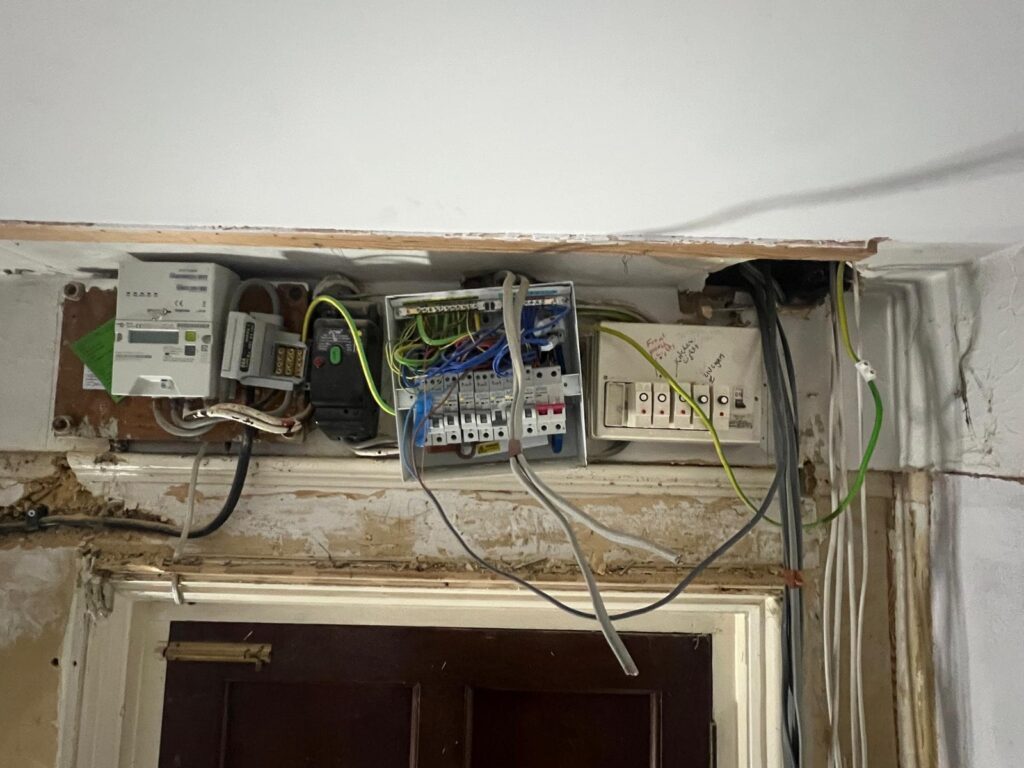
An old fuse box, also known as a consumer unit, is a major sign that your electrics need attention. Modern electrical systems require consumer units with Residual Current Devices (RCDs) and Residual Current Circuit Breakers (RCBOs) for additional safety. If your fuse box doesn’t have these features, it could be putting your home at risk.
Why It’s a Concern:
Outdated fuse boxes lack the safety features necessary to protect your home from electrical faults. Modern units provide more comprehensive protection, preventing the risk of electric shocks, fires, and short circuits. Upgrading to a modern consumer unit is essential for keeping your home safe and compliant with current regulations.
4. Insufficient Outlets or Overuse of Extension Cords
What It Means:
If you’re constantly using extension cords or relying on a limited number of outlets, it could be a sign that your electrics are outdated. Homes built many years ago often have fewer outlets and may not have the capacity to handle the number of devices we use today.
Why It’s a Concern:
Overloading outlets or using too many extension cords can lead to overheating, sparking, and fire hazards. An electrician can install additional outlets to meet modern electrical needs and prevent overloading. It’s much safer than using multiple extension cords or plug adapters, which increase the risk of electrical failure.
5. Flickering or Dimming Lights
What It Means:
Flickering or dimming lights are often caused by issues with the wiring, circuits, or power supply. If you notice that your lights flicker or dim unexpectedly, it could indicate faulty or outdated electrical components that need to be updated.
Why It’s a Concern:
Flickering lights can be a sign of poor connections or overloaded circuits. These issues, if left unresolved, can lead to electrical fires or system failures. Regular checks from an electrician can help identify and fix the root cause of the problem, ensuring that your lights are functioning properly and safely.
6. Warm or Discolored Outlets and Switches
What It Means:
Outlets or switches that are warm to the touch or discolored could indicate that there’s a problem with the wiring or that the outlet is overloaded. This is a serious sign of electrical stress and should not be ignored.
Why It’s a Concern:
This condition can result in electrical fires if not addressed quickly. Electrical components should never overheat or show signs of burn marks. If you notice any warm outlets or discolored switches, turn off the power and call a qualified electrician immediately to assess the situation and make necessary repairs.
7. Lack of RCD Protection
What It Means:
If your home’s electrical system lacks Residual Current Devices (RCDs), you are at an increased risk of electrical shock or fire. RCDs are safety devices that cut off the power supply if a fault is detected. They are especially important in wet areas like bathrooms and kitchens.
Why It’s a Concern:
Homes built before 2000 may not have RCD protection, which means that if there is a fault in the wiring, the electrical system might not shut off the power automatically. This can lead to electric shocks or fire hazards. Upgrading your system to include RCDs is a necessary safety measure for any modern home.
8. The Wiring Is Over 30 Years Old
What It Means:
Wiring older than 30 years is often made from materials that are no longer considered safe or efficient by today’s standards. Homes built decades ago might have rubber-insulated wiring, which deteriorates over time, making it unsafe to use.
Why It’s a Concern:
Outdated wiring can crack, fray, and break down over time, leading to exposed live wires, electrical shorts, and fire hazards. If your home still has old wiring, it’s critical to have it replaced to avoid the risk of electrical failure or fire. An electrician can carry out a thorough inspection and recommend necessary upgrades.
9. You’re Using Two-Prong Outlets
What It Means:
Two-prong outlets are outdated and do not provide the grounding that modern electrical appliances require. Grounding helps prevent electrical shocks by providing a safe path for the current to follow if there’s a fault.
Why It’s a Concern:
Two-prong outlets are a safety risk, as they do not offer protection against electrical surges or faults. Upgrading to three-prong grounded outlets will ensure that your electrical system is much safer. An electrician can rewire your home to replace old two-prong outlets with grounded, safer versions.
10. High Energy Bills or Inefficient Appliances
What It Means:
If you’ve noticed a sudden increase in your energy bills or that your appliances are running less efficiently than before, it could be a sign that your electrical system is outdated. Older wiring and systems can cause appliances to use more energy than necessary, reducing efficiency.
Why It’s a Concern:
Inefficiency in your electrical system can lead to higher electricity costs. Over time, this can add up to a significant amount. An electrician can help upgrade your system, install energy-efficient components, and provide advice on how to reduce your energy consumption.
Conclusion
The safety and efficiency of your home’s electrical system are crucial, and recognizing the signs of an outdated system can help you avoid potential hazards. Whether it’s frequent circuit breaker trips, warm outlets, or outdated wiring, addressing these issues early can save you time, money, and stress in the long run. If you’re noticing any of the top 10 signs listed above, it’s time to contact a qualified electrician in Essex to assess your system and recommend necessary upgrades or repairs. Regular checks and updates to your electrics will keep your home safe, efficient, and compliant with the latest safety regulations.