
Electrical wiring is one of the most critical components of any property, yet it is often overlooked until something goes wrong. Proper wiring ensures that electricity is distributed safely and efficiently throughout a building, powering lighting, appliances, and essential systems without putting people or property at risk.
In Essex, where properties range from modern developments to older homes with ageing electrical systems, correct wiring is especially important. Poor or outdated wiring can lead to power failures, electrical shocks, and even fires. This article explores the basics of electrical wiring, how to recognise faulty wiring, when upgrades are necessary, and why professional installation is always the safest option.
Basics of Electrical Wiring
Electrical wiring is the system of cables, circuits, and components that carry electricity from the main supply to outlets, lighting, and appliances throughout a building.
A standard wiring system includes cables, sockets, switches, consumer units, circuit breakers, and earthing components. Together, these elements ensure electricity flows safely and can be isolated quickly if a fault occurs.
Modern electrical wiring is designed to handle higher electrical loads and comply with strict safety regulations. This is particularly important as homes and businesses now rely on more electrical devices than ever before, from smart technology to high-powered appliances.
In Essex properties, wiring systems must comply with UK electrical standards to ensure safety, reliability, and legal compliance. Proper installation and regular inspection help prevent overloading, overheating, and electrical faults.
Signs of Faulty Wiring and Their Potential Dangers
Faulty wiring is one of the leading causes of electrical fires and accidents. Recognising the warning signs early can prevent serious damage or injury.
Common signs of faulty wiring include flickering lights, frequently tripping circuit breakers, buzzing sounds from sockets or switches, and burning smells near electrical outlets. Discoloured sockets or scorch marks are also strong indicators of overheating or loose connections.
Older properties may still have outdated wiring systems that were never designed to support modern electrical demands. This can lead to overloaded circuits and increased fire risk.
The dangers of faulty wiring go beyond inconvenience. Electrical faults can cause shocks, fires, and damage to expensive appliances. In commercial settings, faulty wiring can disrupt operations and create serious health and safety hazards.
If any of these signs are present, it is essential to contact a qualified electrician immediately to assess and resolve the issue safely.
Electrical Wiring for New Constructions and Renovations
Proper electrical wiring is especially important during new builds and renovation projects. Wiring must be carefully planned to meet current regulations, support future electrical needs, and integrate seamlessly with the building’s design.
In new constructions, electricians work closely with builders and architects to design a wiring layout that provides sufficient power, efficient circuit distribution, and room for future expansion. This includes planning for lighting, heating systems, kitchen appliances, electric vehicle chargers, and smart home technology.
During renovations, existing wiring often needs to be assessed and upgraded. Adding new rooms, kitchens, or bathrooms typically increases electrical demand, making it essential to ensure the system can handle the additional load.
In many Essex homes, renovations uncover outdated wiring that no longer meets safety standards. Addressing these issues during renovation is more cost-effective and safer than postponing upgrades.
Upgrading Outdated Electrical Wiring
Outdated electrical wiring is a common issue in older properties across Essex. Systems installed decades ago may lack modern safety features and may not be suitable for today’s electrical usage.
Signs that wiring may need upgrading include old-style fuse boxes, fabric-covered cables, or a lack of earthing. Properties with limited sockets often rely on extension leads, which increases the risk of overloading circuits.
Upgrading electrical wiring improves safety, reduces the risk of electrical fires, and ensures compliance with current regulations. It also enhances property value and makes homes more attractive to buyers and insurers.
Modern wiring systems are designed to be more energy-efficient and reliable, supporting modern appliances and technologies without strain. While upgrading wiring is an investment, it provides long-term peace of mind and improved electrical performance.
DIY vs Professional Electrical Wiring
Many homeowners consider DIY electrical work to save money, but electrical wiring is not an area where shortcuts are safe or legal.
DIY wiring carries significant risks, including electric shock, fire hazards, and non-compliance with building regulations. Even small mistakes, such as loose connections or incorrect cable selection, can have serious consequences.
In the UK, most electrical wiring work must comply with strict regulations, and certain tasks must be carried out or certified by a qualified electrician. Unauthorised or poorly executed work can invalidate insurance policies and lead to costly corrective repairs.
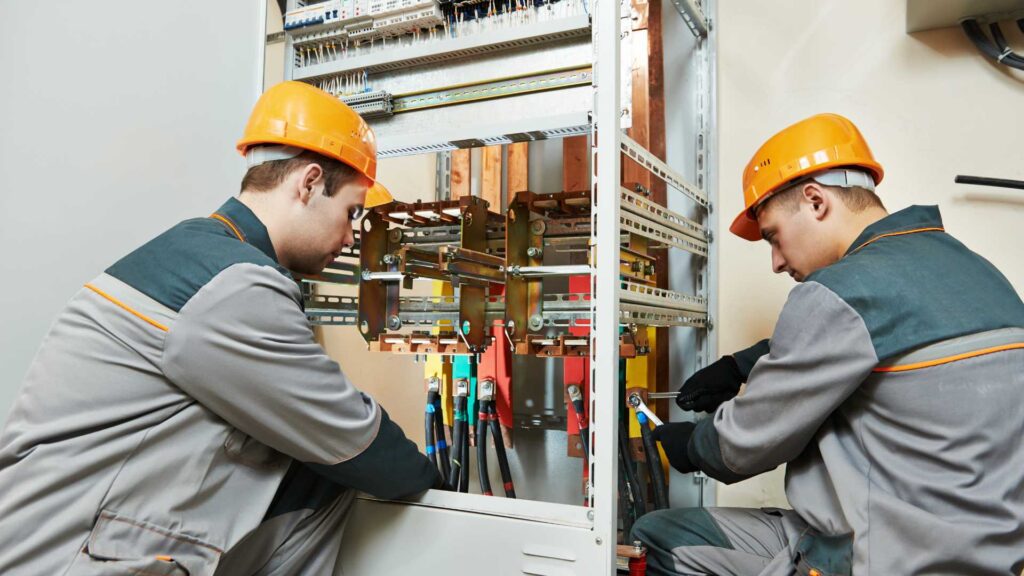
Professional electricians have the training, experience, and equipment to carry out wiring safely and efficiently. They ensure installations meet current standards, are properly tested, and are fully certified.
Hiring a professional electrician also means access to expert advice. They can recommend the best solutions for your property, identify potential issues early, and ensure the wiring system is future-proof.
Why Proper Electrical Wiring Matters
Proper electrical wiring is essential for safety, reliability, and long-term performance. It protects people from electrical hazards, ensures appliances function correctly, and reduces the risk of costly damage.
Well-installed wiring also improves energy efficiency and supports modern electrical demands. As technology continues to evolve, having a robust and compliant wiring system becomes increasingly important.
For homeowners, proper wiring provides peace of mind and protects one of their most valuable investments. For businesses, it ensures continuity, compliance, and a safe working environment.
Conclusion
The importance of proper electrical wiring cannot be overstated. From powering everyday essentials to protecting lives and property, a safe and well-designed wiring system is fundamental to any building.
Understanding the basics of electrical wiring, recognising signs of faults, and knowing when to upgrade can help prevent serious issues before they occur. While DIY solutions may seem tempting, professional electrical wiring is always the safest and most reliable option.
For properties across Essex, working with experienced and qualified electricians ensures that wiring systems meet current standards, support modern living, and remain safe for years to come. Proper electrical wiring is not just a technical requirement—it is a vital investment in safety, efficiency, and peace of mind.