
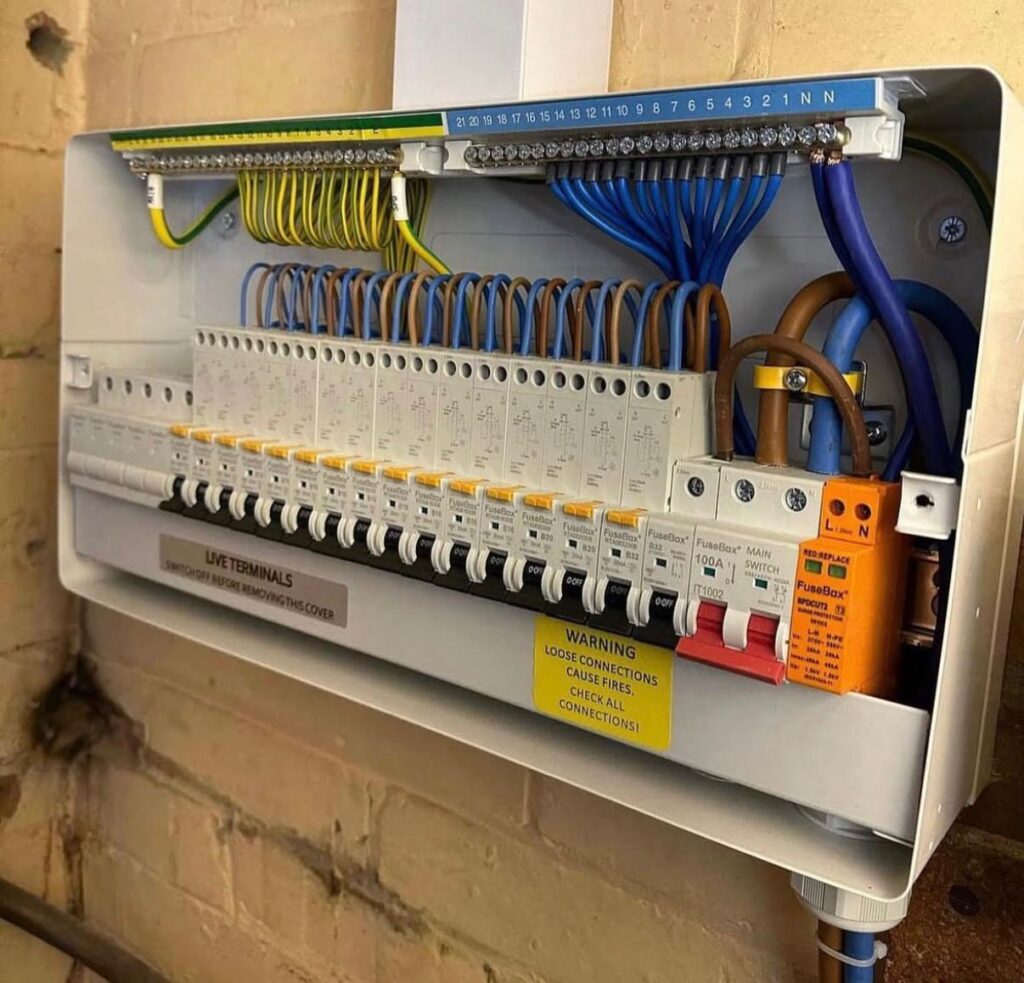
When it comes to home renovations or electrical work, understanding your responsibilities and the regulations that govern electrical installations is crucial. For homeowners in Essex, Part P of the Building Regulations plays a significant role in ensuring the safety and legality of electrical work within the home. This guide explains what Part P is, how it relates to building control, and what Essex homeowners need to know when undertaking electrical work in their homes.
What Is Part P of the Building Regulations?
The Basics of Part P
Part P is a section of the UK Building Regulations that outlines the requirements for electrical installations in dwellings. Introduced in 2005, Part P ensures that electrical work in homes is done safely and to a high standard, reducing the risks of electrical fires and shocks. It sets out the legal obligations for homeowners and contractors when it comes to electrical work, including who can carry out the work and how it must be inspected and certified.
Key Objectives of Part P
The primary objective of Part P is to safeguard people from injury, harm, and fire due to faulty or substandard electrical installations. This part of the regulations ensures that:
- Electrical work is carried out safely and correctly.
- The installations meet minimum standards of quality and safety.
- Adequate testing and certification are completed to confirm compliance.
For Essex homeowners, understanding Part P is essential if you plan to undertake electrical work, whether it’s a new installation or an upgrade to existing systems.
When Is Part P Relevant?
Electrical Work Covered by Part P
Part P covers a wide range of electrical work carried out in domestic properties, including:
- New electrical installations (e.g., new circuits or consumer units)
- Rewiring of existing circuits
- Electrical upgrades, including adding new sockets, switches, and lighting
- Installation of electrical appliances that require permanent wiring (e.g., electric showers, cookers, or heating systems)
- Outdoor electrical work, such as garden lighting, outdoor power outlets, or EV chargers
Work Not Covered by Part P
There are certain types of electrical work that do not fall under Part P, such as:
- Changing light bulbs or replacing simple fittings
- Replacing or installing low-voltage appliances (e.g., USB outlets or battery-powered lights)
- Routine maintenance and repairs, as long as the work does not involve modifying circuits or permanent installations
If your electrical work falls under the scope of Part P, you must ensure it complies with the regulations to avoid potential risks or legal issues.
Who Can Carry Out Electrical Work Under Part P?
Competent Persons and Registered Electricians
The regulations under Part P require that electrical work be carried out by a competent person. This means that the person doing the work must have the appropriate qualifications, experience, and expertise to carry out electrical installations safely.
In Essex, homeowners have the following options for ensuring their electrical work complies with Part P:
- Use a Registered Electrician: Qualified electricians who are registered with a competent person scheme (such as NICEIC, NAPIT, or ELECSA) can self-certify that their work complies with Part P. This means they don’t need to submit their work for inspection by local authorities, as they are authorized to confirm that the work meets safety standards.
- Hire an Unregistered Electrician: If you hire an electrician who is not registered with a competent person scheme, you will need to submit the completed electrical work for inspection by Building Control. This can result in additional time and cost, as your local council will have to inspect and approve the work.
Why It’s Important to Use a Competent Electrician
Using a competent, registered electrician ensures:
- Compliance with Part P and other relevant regulations.
- The work will be safe and up to standard, reducing risks of electrical hazards.
- You will receive the necessary certification, which could be required for insurance purposes or if you decide to sell your home.
Building Control and Electrical Work
What Is Building Control?
Building Control refers to the regulatory process in which local authorities oversee construction and renovation projects to ensure compliance with the Building Regulations. This includes both structural work and electrical installations. In Essex, Building Control is carried out by the local council or by private approved inspectors who are qualified to carry out inspections.
When You Need to Involve Building Control
If you’re undertaking electrical work that doesn’t fall under the scope of a competent person scheme, or if the work is particularly complex, you’ll need to notify Building Control. This is typically required for:
- New electrical installations or major rewiring projects
- Replacement of consumer units or fuse boxes
- Outdoor electrical work such as the installation of EV chargers or garden lighting circuits
- Work that involves structural changes, like moving walls or adding extensions that require changes to the electrical system
If your work requires Building Control notification, the local authority will send an inspector to assess the installation and ensure it meets safety standards.
The Process of Notification and Inspection
- Notify Building Control: If your work requires an inspection, you must notify your local council or an approved inspector before the work begins. You’ll need to submit details of the work being done.
- Inspection: A qualified inspector will visit your home to check that the electrical work is compliant with the relevant regulations.
- Completion Certificate: Once the work is approved, you’ll receive a completion certificate. This document confirms that the work was carried out correctly and complies with the regulations.
What Happens If Part P Is Not Followed?
Legal Implications
Failing to comply with Part P of the Building Regulations can have serious consequences. If electrical work is done improperly or without the necessary certification:
- Insurance may be voided: If an electrical fault occurs and your work wasn’t properly certified, your home insurance may not cover any damages.
- Legal penalties: If you’re found to have carried out electrical work without the proper certification, you may be required to have the work re-done at your expense, and in some cases, you could face fines.
- Safety risks: Faulty electrical work can pose serious safety risks, including electrical fires or shocks. Non-compliant work may not meet the required safety standards, putting you, your family, and your property in danger.
How Much Does Part P Compliance Cost?
Costs Involved in Part P Compliance
The costs of ensuring your electrical work complies with Part P will vary depending on the size and complexity of the project. Here are some typical costs:
- Electrical inspections by Building Control: These typically range from £100 to £300, depending on the local council and the nature of the work.
- Electrician’s fees: Registered electricians can charge between £40 and £80 per hour, depending on the scope of the job.
- Consumer unit replacement: If you need a new fuse box or consumer unit, the cost can range from £400 to £1,200.
- Additional electrical work: For other electrical work, such as adding new circuits or rewiring rooms, costs can vary widely, starting at around £200 for minor upgrades.
While these costs may seem significant, they ensure that your electrical system is safe and compliant with regulations, helping to protect your home and family in the long run.
Conclusion
Part P of the Building Regulations is an essential part of ensuring the safety and compliance of electrical work in your home. Whether you’re planning a small electrical upgrade or a larger renovation, understanding the requirements of Part P, working with a registered electrician, and notifying Building Control when necessary will help ensure your home remains safe, secure, and legally compliant. For Essex homeowners, adhering to these regulations not only protects you from legal and safety issues but also helps prevent costly mistakes and potential hazards in the future.