
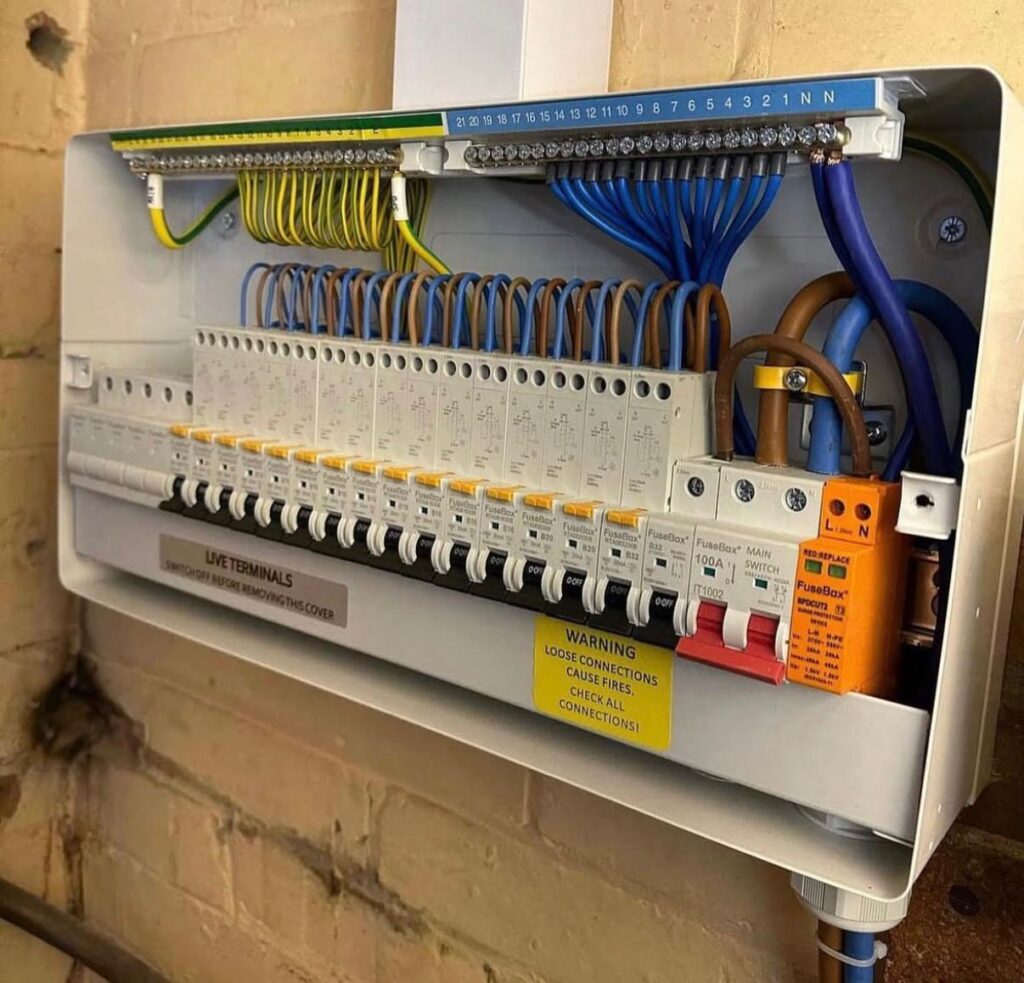
An electrician is essential when it comes to ensuring the safety and efficiency of your home’s electrical systems. Whether it’s installation, maintenance, or repair, understanding what electricians do can help you make informed decisions about the services you need.
What Does an Electrician Actually Do?
Electricians perform three main tasks: installation, maintenance, and repair of electrical systems. They work on both residential and commercial properties, ensuring that the electrical wiring, fuse boxes, and systems comply with the necessary regulations. In Essex, electricians also conduct safety inspections, PAT testing, and troubleshoot issues like flickering lights or faulty sockets.
Core Services an Electrician Offers
Installation Work
Electricians handle a wide range of installation services, including:
- Wiring Replacement
- Socket and Switch Installations
- Lighting System Setup
- Outdoor Circuits for Gardens and Electric Gates
- Electric Shower and Appliance Circuit Setup
Maintenance and Troubleshooting
When something goes wrong with your electrical system, electricians are experts in identifying and fixing:
- Circuit Breaker Issues
- Flickering Lights and Dead Sockets
- Safe Wiring Fault Repairs
Consumer Unit Upgrades
Electricians replace outdated fuse boxes with modern consumer units that include RCDs (Residual Current Devices) and RCBOs (Residual Current Circuit Breaker with Overload protection) for better circuit protection.
Testing and Certification
To ensure your electrical systems are safe and functional, electricians provide:
- Electrical Installation Condition Reports (EICR)
- Periodic Testing for Rental Properties
- Certification After New Work
Specialist Services
- Garden Lighting
- Electric Vehicle (EV) Charger Installations
- CCTV and Security System Wiring
- Underfloor Heating Electrical Setup
Energy Efficiency Upgrades
- LED Lighting Retrofitting
- Smart Control and Home Automation Wiring
What to Expect During an Electrician Visit
Initial Assessment
Before starting any work, electricians will conduct an inspection to identify any potential hazards and explain the solutions they recommend.
Quote and Scope
Once the assessment is done, electricians provide a written estimate. This includes:
- Material costs
- Project duration
- Certification status
Work and Safety Measures
Electricians will ensure that the circuit is isolated and will use appropriate personal protective equipment (PPE). They’ll follow BS 7671 wiring regulations and perform the necessary circuit tests.
Certification and Paperwork
Once the work is complete, you should receive the relevant certifications, including an EICR, minor works certificate, or Building Regulations notification.
When Should You Call an Electrician?
You should immediately contact an electrician if you notice:
- Frequent Circuit Breaker Tripping
- Burning Smells or Sparks
- Discolored or Warm Sockets
- Unprotected Electrical Wiring
Additionally, if you’re planning home renovations, like adding a loft conversion or installing an EV charger, call an electrician to handle the electrical components.
Typical Costs and Timescales in Essex
Here are the estimated costs for common electrical work in Essex:
- Socket or Switch Replacement: £50–£120 each
- New Lighting Circuit or Light Fitting: £80–£250
- Consumer Unit Replacement: £400–£1,200
- EICR (Full House): £120–£300
- EV Charger Installation: £600–£1,800 depending on location and wiring needs
Emergency services may charge higher due to elevated hourly rates.
Finding a Qualified Electrician in Essex
How to Choose an Electrician
- Look for electricians registered with a competent person scheme like NICEIC, NAPIT, or ELECSA.
- Ensure they offer insurance (public liability) and can provide references or recent customer reviews.
- Ask if they can handle Building Regulations notifications or self-certify via a scheme.
How to Find One
- Check local directories
- Get recommendations from neighbors
- Use online review platforms
Safety and Legal Considerations
Electrical work in the UK must comply with BS 7671 regulations. Major installations often require notification to the local authority, unless done through a competent person scheme. Failing to properly perform electrical work can lead to:
- Electric Shock
- Fire Hazards
- Invalid Insurance Claims
DIY electrical repairs are not recommended as they require professional training.
Common Homeowner Questions
Do I Need an Electrician to Replace a Light Fitting?
Minor replacements can sometimes be done by homeowners, but for more complex tasks, especially if wiring changes are needed, hire a qualified electrician.
How Often Should I Have My Home Checked?
It’s recommended to have an EICR every 10 years for owned homes, every 5 years for rental properties, and after any major work or property purchases.
Will Replacing My Consumer Unit Reduce My Insurance Premiums?
Yes, upgrading to a modern consumer unit can reduce fire risks and may lower insurance premiums. Always check with your insurer for specific requirements.
Checklist Before Hiring an Electrician
- Ask for ID and Insurance Details
- Get a Written Estimate
- Check Reviews and References
- Confirm Warranty on Work
- Ensure They Provide Required Certificates
Summary
Electricians provide essential services for installations, maintenance, repairs, and safety compliance in Essex homes. Homeowners should hire registered, insured professionals to ensure that electrical work meets safety standards, protecting both the home and its residents. Avoid DIY electrical repairs and always call a qualified electrician for any electrical issues.