
Electrical systems are the backbone of any home. Over time, the wiring, outlets, and circuit boards can wear down, leading to safety risks, inefficiencies, or potential system failures. Understanding when and why you need to get your electrics checked can ensure your home stays safe, efficient, and compliant with UK regulations.
Why Should You Have Your Electrics Checked?
Before diving into how often you need electrical inspections, it’s important to understand why these checks are crucial.
1. Ensuring Home Safety
The primary reason to get your electrics checked regularly is safety. Faulty or outdated electrical components can pose serious risks, including electrical fires, electrical shocks, and even fatalities. Older wiring, for example, is often not equipped to handle the modern demand for electricity, and overloading circuits can lead to dangerous situations. An electrician’s inspection can help identify issues before they turn into emergencies.
2. Meeting Legal Requirements
For homeowners in Essex, particularly landlords, regular electrical inspections may be a legal requirement. UK regulations, especially in rental properties, mandate certain safety checks to ensure tenant protection. In Essex, landlords must comply with the Electrical Safety Standards in the Private Rented Sector (England) Regulations 2020, which require testing at least once every five years.
3. Improving Efficiency and Reducing Energy Bills
Outdated or inefficient electrical systems can lead to higher energy consumption. By having your electrics checked, you can ensure that your home is operating as efficiently as possible. Simple upgrades, such as replacing old light bulbs with LED lights or switching to energy-efficient appliances, can lower energy bills. Additionally, an electrician can provide advice on how to reduce overall energy use, potentially saving money in the long run.
How Often Should You Get Your Electrics Checked?
Now that we know why electrical checks are important, let’s dive into how often you should schedule these inspections.
1. Owner-Occupied Homes: Every 10 Years
For owner-occupied homes in Essex, it is generally recommended that your electrics be checked every 10 years. Electrical systems are built to last, but over time, wiring, switches, and outlets can wear down. A decade is long enough for deterioration to begin, so scheduling a check every 10 years ensures that your system is safe and up to current standards.
Key Areas of Focus:
- Consumer Unit (Fuse Box) Inspection: Checking for modern safety features like RCDs (Residual Current Devices) and RCBOs (Residual Current Circuit Breakers with Overload Protection) that protect against electrical faults.
- Wiring Condition Check: Assessing the condition of your home’s wiring to ensure it’s not outdated or faulty.
- Circuit Protection and Testing: Verifying that your circuits are adequately protected and that RCDs are functional.
2. Rental Properties: Every 5 Years
For rental properties in Essex, an Electrical Installation Condition Report (EICR) is required every 5 years. Landlords must hire a certified electrician to perform this test and provide documentation confirming the property is safe for tenants.
Key Areas of Focus:
- Electrical Installation Check: Ensuring the installation meets modern safety standards and complies with Part P of the UK Building Regulations.
- RCD and Earthing System Inspection: Making sure that earth bonding and RCDs are in place to prevent electrical shocks.
- Portable Appliance Testing (PAT): Ensuring that all electrical appliances within the rental property are safe to use.
If you’re a landlord in Essex, adhering to these requirements is not only the law but also provides peace of mind for both you and your tenants.
3. After Major Renovations or Extensions
If you’ve recently renovated your home or added extensions like a loft conversion or a new kitchen, it’s essential to get your electrics checked. Any new electrical work, such as installing new circuits, outlets, or appliances, should be tested to ensure it complies with safety standards and regulations.
Key Areas of Focus:
- Post-Renovation Safety Checks: Ensuring that new wiring and installations meet the necessary safety standards and UK regulations.
- New Circuit Installations and Testing: Verifying that newly added circuits are properly installed and do not overload existing systems.
- Compliance with Building Regulations: Confirming that the electrical work complies with the Building Regulations in force at the time of installation.
Homeowners should also consider getting an EICR after significant work is done to ensure the system is safe and up to code.
4. When Buying a Property
If you’re buying an older home, it’s wise to have the electrics thoroughly checked before moving in. An EICR can reveal if the wiring, fuse box, or other components are outdated or unsafe. This inspection can help you avoid purchasing a property with hidden electrical problems, which could lead to expensive repairs down the line.
Key Areas of Focus:
- Wiring Condition: Ensuring that the property’s wiring is safe and capable of handling modern demands.
- Safety of Outlets and Sockets: Checking for signs of wear, damage, or faulty installations in the outlets and switches.
- Electrical Load Capacity: Ensuring the existing system can handle modern appliances, gadgets, and systems that require more electricity.
A pre-purchase electrical inspection is a smart investment that could save you from unforeseen electrical problems in the future.
5. If You Notice Electrical Issues
If you experience any electrical problems, don’t wait for your next scheduled inspection. Here are some issues that should prompt an immediate electrical check:
- Frequent Circuit Breaker Tripping: Indicates overloaded circuits, faulty wiring, or other problems.
- Flickering or Dimming Lights: Could be a sign of faulty wiring or overloaded circuits.
- Warm or Discolored Outlets: These are warning signs that the wiring or connection is compromised and could be a fire hazard.
- Buzzing Sounds from Switches or Sockets: Can indicate loose wiring or other electrical faults.
If any of these issues occur, call a licensed electrician immediately. Don’t wait for your regular check-up.
What Happens During an Electrical Check?
When you hire a qualified electrician to inspect your home’s electrics, here’s what you can expect:
1. Visual Inspection
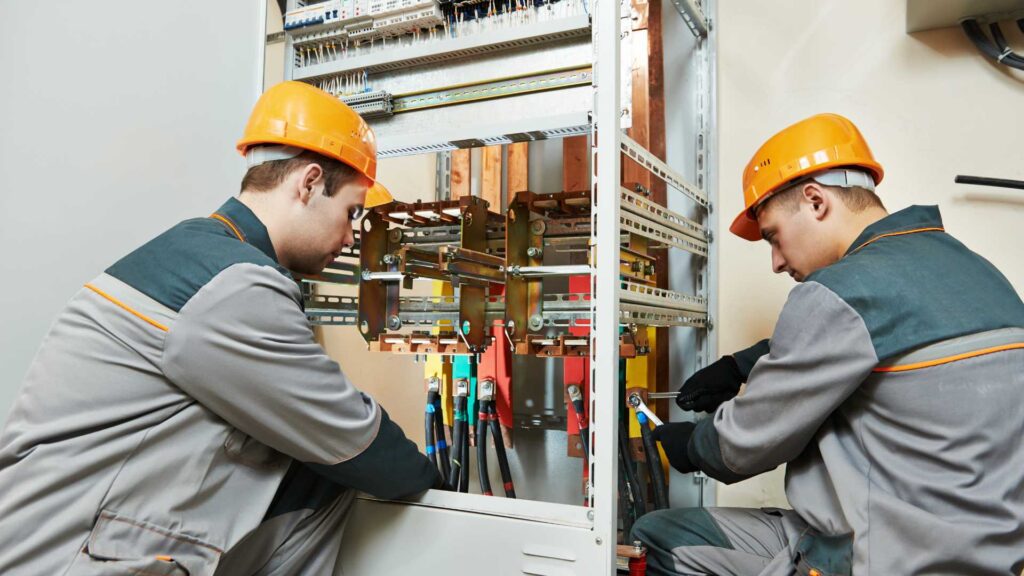
The electrician will begin with a visual inspection of your electrical system, including the fuse box, wiring, and outlets. This will help identify any visible signs of wear, damage, or outdated components that need to be replaced.
2. Testing
The electrician will then perform various tests to check the integrity of the electrical system. This includes:
- EICR Testing: Ensuring all installations are safe and compliant with current regulations.
- Circuit Testing: Checking each circuit to ensure it is properly protected and functioning as expected.
3. Recommendations for Upgrades or Repairs
Based on the inspection and testing, the electrician will provide a detailed report of any issues they discovered. If your electrics are out of date, they may recommend replacing old wiring, upgrading the consumer unit, or installing modern safety features like RCDs.
How Much Does an Electrical Check Cost in Essex?
The cost of an electrical inspection varies depending on the size of the property and the complexity of the system. Generally, an EICR for a full house inspection in Essex can cost between £120 to £300. For specific issues like replacing a consumer unit or rewiring a property, costs can range from £400 to £1,200 or more.
Note: It’s always a good idea to get at least two written estimates before proceeding with major electrical work.
Conclusion: Stay Safe and Ensure Efficiency
Electrical systems play a crucial role in your home’s safety and functionality. Regular checks are essential to ensure that your electrics stay up to date, safe, and efficient. Whether you’re a homeowner in Essex or a landlord, scheduling regular inspections—whether every 10 years, 5 years for rentals, or after major renovations—will protect your home and its inhabitants from potential electrical hazards. Always hire a qualified, registered electrician to perform these checks, as they have the expertise to identify and resolve issues before they become serious problems.